Zemun is not Belgrade, and Zemun would like you to know that
A short history of the town across the river and why our Premium tour spends an afternoon there.
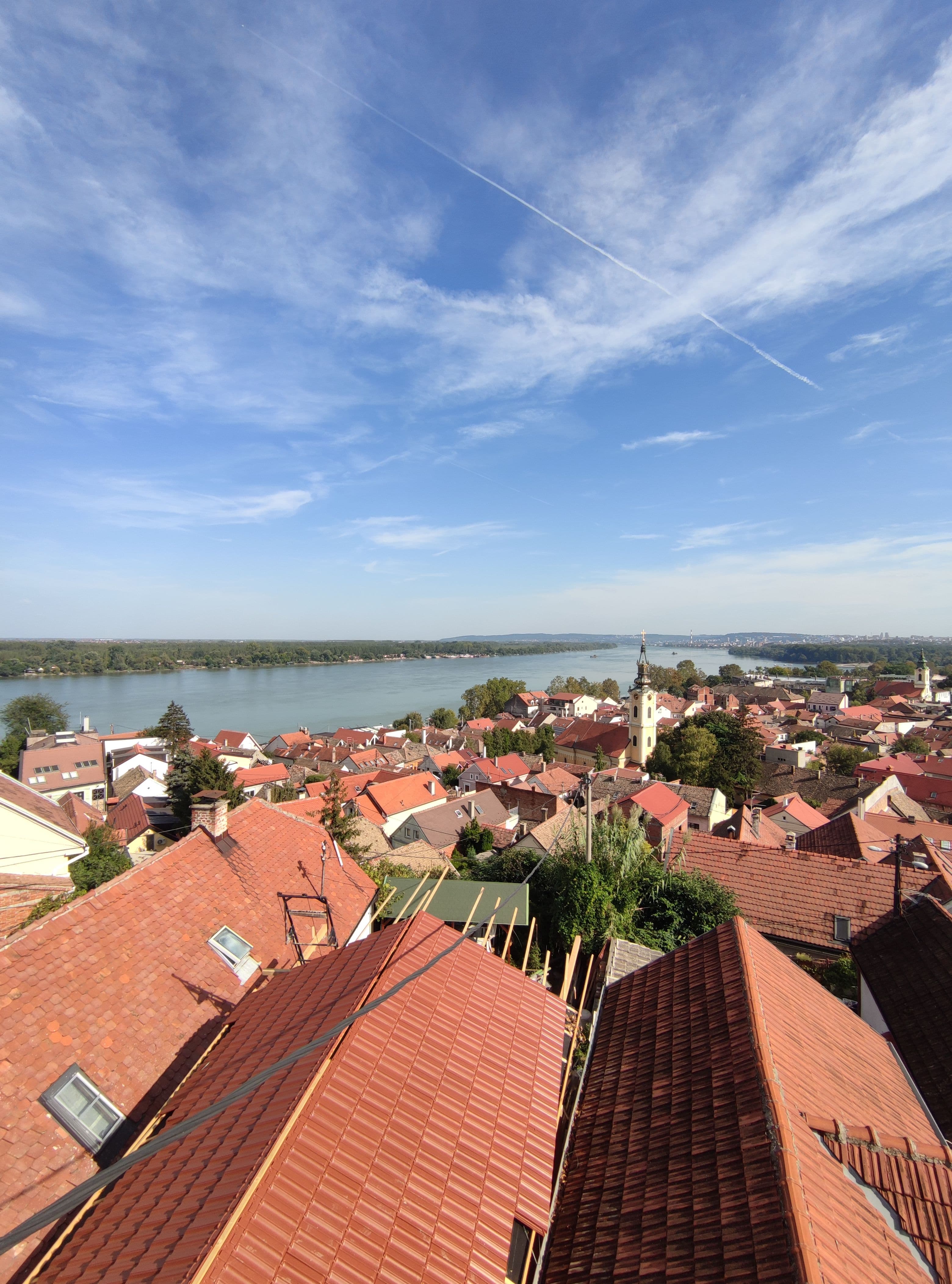
Ask someone from Zemun where they live and there is a fair chance they will say "Zemun", not "Belgrade". Officially it has been part of the capital for decades. In spirit, and in the way it looks, it is still a town of its own.
Two empires, one river apart
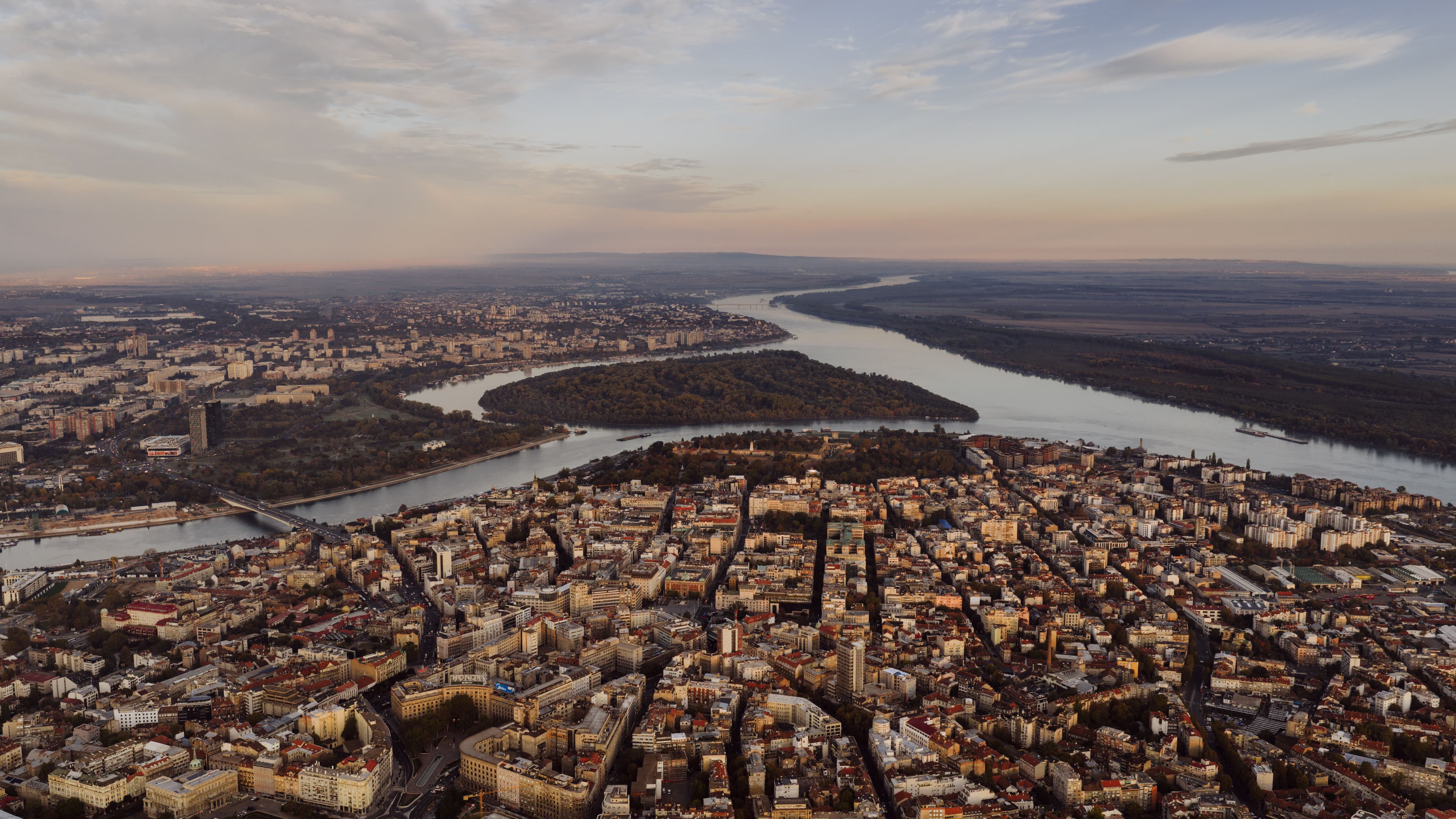
For much of its history, the Sava and the Danube marked a border. On the Belgrade side of the confluence, the fortress changed hands between the Ottoman Empire and the Habsburg Monarchy many times. Zemun, on the other bank, belonged for long periods to the Habsburg side and developed as a frontier town of the Military Frontier, with customs, quarantine and trade across the water.
That is why the two feel different when you walk them. Belgrade's old centre grew through sieges and rebuilding. Zemun kept the shape of a Central European market town: a main street, a market square, low houses with courtyards, church towers and Austro-Hungarian facades.
Zemun and Belgrade were joined administratively in the 20th century, after the First World War changed the borders of the region entirely.
Gardoš and the Millennium Tower
The highest point of old Zemun is Gardoš hill, where the remains of a medieval fortress stand. On top of them is the Millennium Tower, built in 1896 to mark a thousand years of the Hungarian state. Locals often call it Sibinjanin Janko's Tower, after the medieval commander John Hunyadi, who is linked by tradition to the site.
From the top, the view takes in the whole story in one frame: the Danube, the Great War Island, the confluence and the Belgrade fortress on the far bank. The lanes that climb the hill are cobbled and steep in places; wear proper shoes.
The quay
Below Gardoš, the Danube quay runs for kilometres. Fishermen, rowing clubs, floating restaurants and families on bicycles share it. This is where Zemun eats fish: river fish soup (riblja čorba), grilled carp or catfish, and whatever came in that morning.
What to look for on foot
- The market (Zemunska pijaca): busiest in the morning, with produce from the villages of Srem.
- The main street (Glavna ulica): Austro-Hungarian facades above the shop fronts; look up.
- Old churches: Orthodox and Catholic churches a few minutes' walk apart, a reminder of the town's mixed population.
- The side streets below Gardoš: narrow, quiet and residential, and the part most visitors never see.
Why our Premium tour spends an afternoon there
Most short visits to Belgrade stop at the fortress and look across the river at Zemun. We think it is worth crossing. On Two Rivers, Two Cities, a private car takes you over the Sava, you climb Gardoš for the view back, walk the quay, and sit down for a long lunch on the water before an hour on foot through the old town.
It is the easiest way to understand why people in Zemun still say they are going "to Belgrade" when they cross the bridge.