Paying in Serbia: dinars, cards and why we charge in RSD
Where cash still rules, what your card statement will show, and how exchange rates are applied to our bookings.
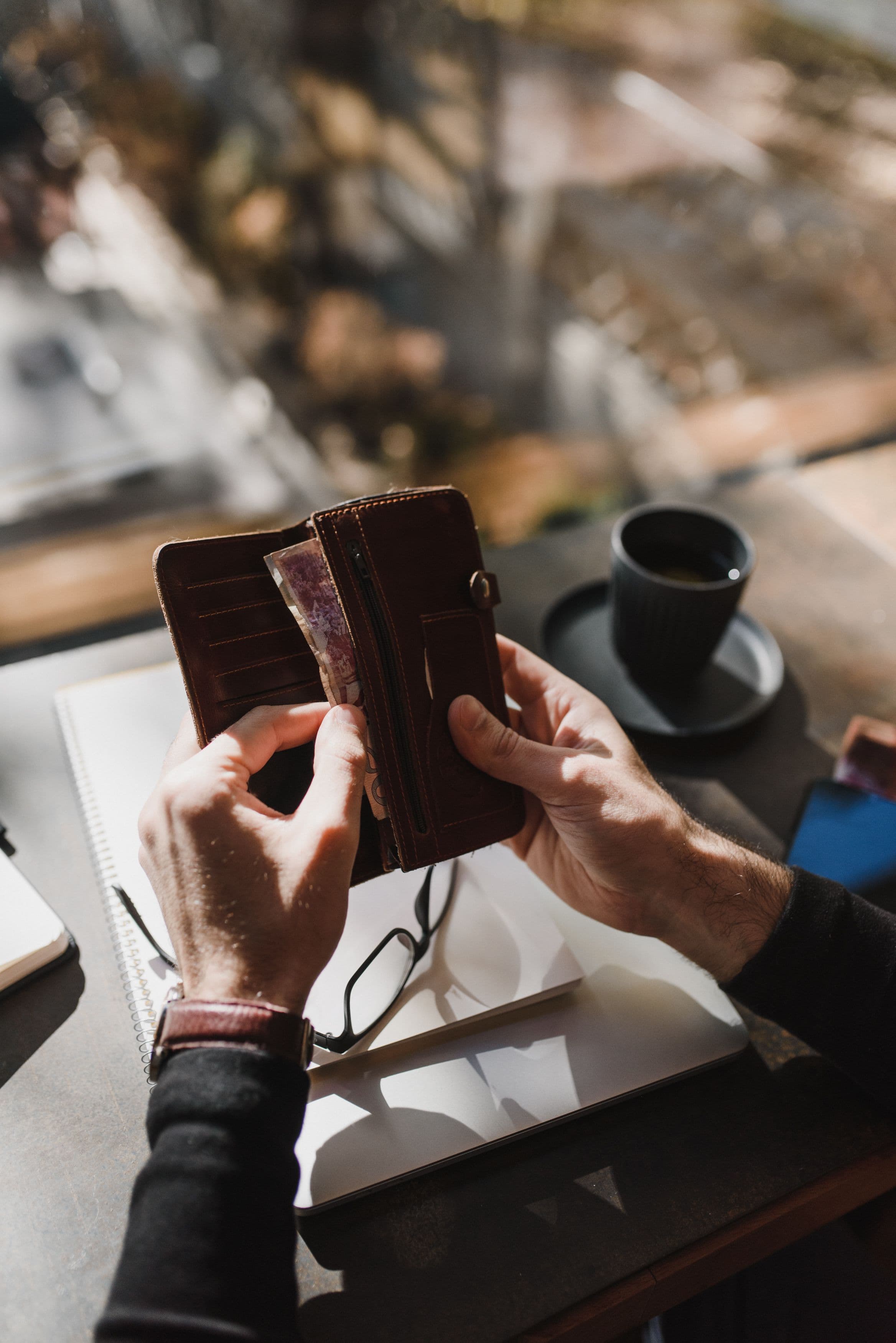
Serbia uses the dinar (RSD), not the euro. Prices in tourist places are sometimes shown in euros too, and many people quote them that way in conversation, but payments inside the country are made in dinars. Here is what that means for your trip, and for bookings with us.
Cash or card?
- Cards are widely accepted in hotels, most restaurants, supermarkets, petrol stations, taxis booked through apps and shops in city centres. Visa and Mastercard work almost everywhere cards are taken; contactless payment is common.
- Cash still rules at open markets, bakeries, small kiosks, some kafanas and cafés outside the centre, for tips, and in villages.
- Carry some dinars for those cases. A few thousand dinars in small notes is enough for a day of markets, coffee and tips.
Getting dinars
- Cash machines (ATMs) are everywhere. Your bank may charge a fee, and some machines add their own; the screen shows it before you confirm.
- Exchange offices (menjačnica) are common in cities and usually offer better rates than airports or hotels. Licensed offices display their rates clearly and give a receipt.
- Decline "conversion" at card terminals and ATMs. If a machine offers to charge you in your home currency, choose dinars. The conversion offered on the spot is almost always worse than your own bank's rate.
Why we charge in RSD
Serbian law generally requires that payments between residents and for services in Serbia are made in dinars. So although our prices are shown in euros, which most of our guests find easier to compare, the amount you actually pay is in RSD.
This is how it works with us:
- The tour page shows the price in EUR.
- During booking we show the RSD equivalent at an indicative rate, and the booking review page states that rate.
- The payment instructions or invoice we send fix the exact RSD amount.
- You transfer that amount, with the booking reference, to NODUS ICT SOLUTIONS d.o.o., the company that operates Balkania Tours.
What your statement will show
Your bank or card statement will show NODUS ICT SOLUTIONS d.o.o., not "Balkania Tours". If you pay from an account in euros or another currency, your bank converts the dinar amount at its own rate, so the final figure on your statement may differ slightly from the euro price you saw. That difference comes from the conversion, not from an extra charge on our side.
Tipping
Tipping is customary but not obligatory. In restaurants, around ten percent for good service is normal; in cafés and taxis people round up. For guides, a tip is appreciated if you enjoyed the tour and never expected.
If you have a question about a specific payment, write to hello@balkaniatours.com with your booking reference.